
A smooth season starts weeks before the first guests step aboard. Good provisioning means the galley, deck, engine room and crew areas are stocked for the itinerary — without overloading storage or leaving gaps that are hard to fill at sea.
Key takeaways
- Plan provisioning by zone: galley, interior, deck, engine room, safety and crew.
- Base quantities on the itinerary, guest numbers and the distance to the next reliable supply point.
- Order long-lead and technical items first; fresh food last.
- Keep a living inventory so re-orders during the season are fast and accurate.
1. Start with the itinerary, not the shopping list
Before listing products, write down the basics: how many guests and crew, how many days between ports, which marinas or anchorages are planned and how easy it is to receive deliveries there. A yacht cruising between well-served marinas can carry less; a yacht heading to remote anchorages needs larger buffers of water, fuel-system consumables and non-perishables.
2. Provision by zone
Galley and pantry
Dry goods, oils, coffee and tea, spices, cleaning products for food areas, food-safe storage containers and spare galley equipment. Check guest preference sheets early for allergies and dietary needs.
Interior and housekeeping
Linen, towels, toiletries, cleaning chemicals suitable for marine interiors, light bulbs and small spares for cabins.
Deck
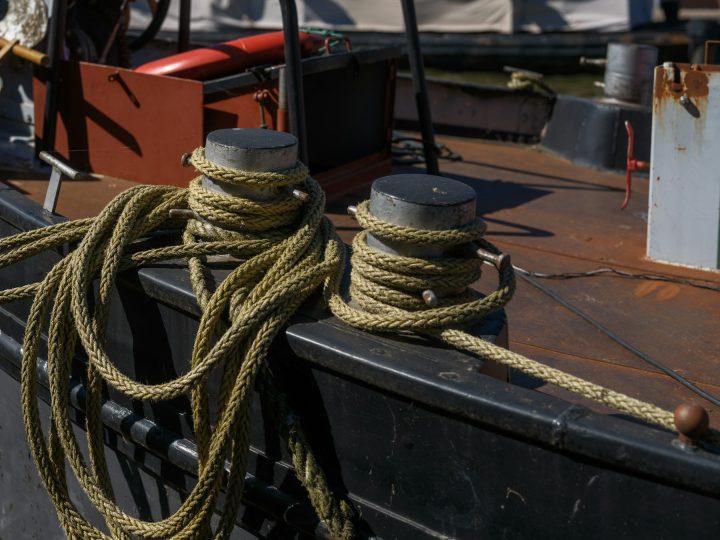
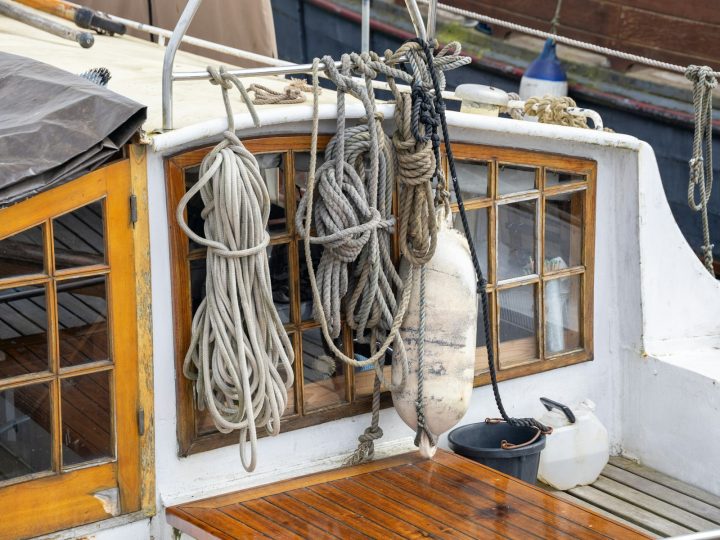
Mooring lines, fenders and fender covers, deck cleaning products, polish, chamois, and spare shackles and fittings.
Engine room
Oil and fuel filters, impellers, belts, coolant, lubricants, gaskets, sacrificial anodes and absorbent pads. These items are often model-specific, so order them with part numbers.
Safety equipment
Check service and expiry dates for life jackets, flares, fire extinguishers, first-aid kits and life rafts. Replacements and servicing can take time, so schedule them at the start of the plan.
Crew
Uniforms, crew mess supplies, personal protective equipment and the small comforts that make long days easier.
3. Order in the right sequence
Technical parts and branded or imported items usually have the longest lead times — order them first. Bulk non-perishables come next. Fresh produce, dairy and flowers are ordered last and delivered as close to departure as possible.
4. Keep a living inventory
A simple shared spreadsheet — item, location on board, minimum stock, current stock, supplier — turns re-ordering into a five-minute job. Update it after every charter or passage.
Frequently asked questions
How early should yacht provisioning start before the season?
Technical and long-lead items are best ordered several weeks before the first trip. Non-perishables can follow, and fresh food is ordered for delivery a day or two before departure.
What is the most commonly forgotten item?
Engine-room consumables such as impellers, filters and anodes are frequently overlooked until they are needed — and they are often model-specific and hard to find at short notice.
Should guest preferences change the provisioning list?
Yes. Preference sheets highlight allergies, diets and favourite brands; reviewing them early avoids last-minute searches.
IDA Yachting is Helen Ida’s brand for yachting supplies. Learn more about IDA Yachting or send us your list.