The sea is one of the harshest environments for any material. Salt spray, sunlight, humidity and constant motion all work against equipment on board. “Marine grade” describes products chosen to cope with these conditions — but the label alone is not enough. Here is what to check.
Key takeaways
- Corrosion resistance, UV stability and the ability to tolerate vibration are the three key tests.
- For stainless fittings, grade 316 (A4) is generally preferred over 304 (A2) in salt-water environments.
- Avoid mixing dissimilar metals without isolation to limit galvanic corrosion.
- Ask for datasheets and part numbers instead of relying on the word “marine”.
Metals and fittings
Stainless steel grade 316 contains molybdenum, which improves resistance to chloride (salt) corrosion compared with grade 304. For fasteners and deck hardware exposed to spray, 316/A4 is the usual choice. Bronze and suitable aluminium alloys are also common, but different metals in contact — for example stainless screws in aluminium — can create galvanic corrosion unless they are isolated.
Electrical items
Tinned copper marine cable resists corrosion along its length far better than bare copper. Connectors, heat-shrink with adhesive lining and properly rated fuses and breakers help keep the system reliable. Electrical work should always follow the yacht’s documentation and be carried out by qualified people.
Sealants, adhesives and coatings
Different jobs need different products: some sealants are designed for permanent bonding, others for bedding fittings that may need to be removed later. Check compatibility with the surface (gelcoat, teak, metal, plastics) and with cleaning chemicals used on board.
Textiles, lines and covers
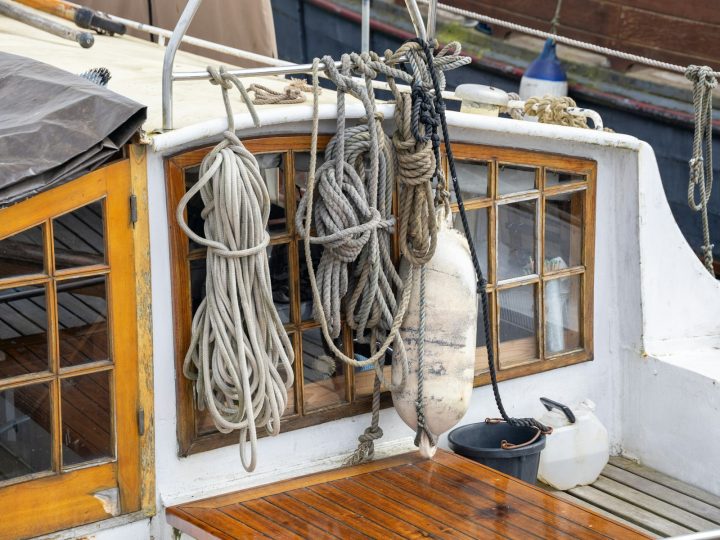
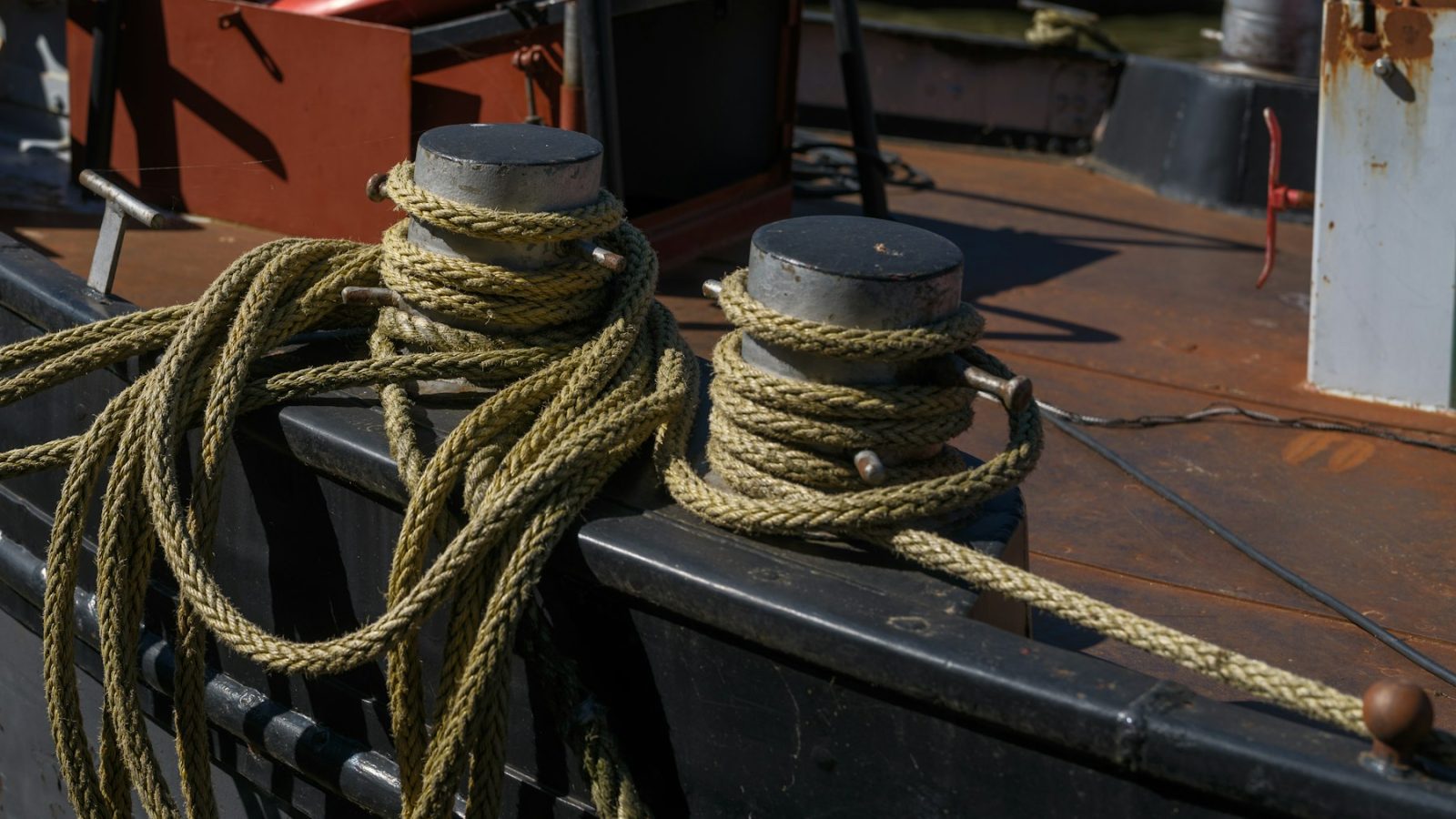
Look for UV-stabilised fabrics and lines. Sunlight degrades many synthetic fibres over time, so covers and mooring lines should be inspected regularly and replaced before they fail.
Cleaning and care products
Products used on deck can end up in the sea. Choose cleaners suitable for marine surfaces and follow local marina rules on discharge. Harsh products can also damage teak, gelcoat and seals.
A simple checklist before you buy
- What is the exact material or grade?
- Is there a datasheet or manufacturer part number?
- Is it compatible with the materials it will touch?
- Is it rated for UV exposure and salt environments?
- Is a spare worth carrying on board?
Frequently asked questions
Is 316 stainless steel rust-proof?
No stainless steel is completely rust-proof. Grade 316 is more resistant to salt-water corrosion than 304, but it still benefits from regular rinsing with fresh water and cleaning.
Why does galvanic corrosion happen on boats?
When two different metals are electrically connected in an electrolyte such as sea water, the less noble metal corrodes faster. Isolation and sacrificial anodes help control it.
Does “marine” on a label guarantee quality?
Not on its own. Material specifications, datasheets and the manufacturer’s recommendations are more reliable indicators.
Looking for supplies for your yacht? Discover IDA Yachting or get in touch.